
A search for PRV Replacement often starts with water pressure that suddenly feels weak at the shower, then pounds through the pipes when a faucet closes. You may also notice a running toilet that never seems to settle, damp patches near a supply line, or banging pipes behind a wall. Commercial Plumber Round Rock can diagnose whether the pressure regulator, rather than a clogged fixture or leaking valve, is causing the change.
Low pressure that has developed gradually can usually wait for a scheduled inspection if there is no leak, flooding, or loss of hot water. Call sooner if pipes bang hard, a water heater relief valve drips, fixtures spray unpredictably, or damp drywall appears. Excess incoming pressure can strain toilet fill valves, washing-machine hoses, shut-offs, and copper joints; a small regulator failure can become a larger water-damage problem.
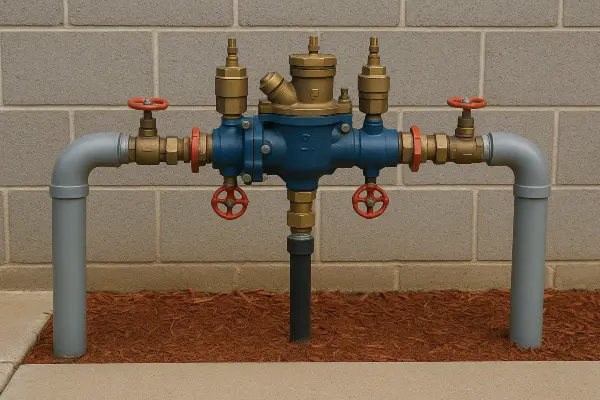
For PRV Replacement, the plumber first checks pressure at a hose bib or supply line with a gauge, then locates the pressure regulator near the main shut-off. The water supply is isolated and nearby valves are checked so trapped pressure can be released safely. If symptoms suggest another restriction, a camera inspection of accessible lines or cleanouts may be recommended before replacing a part that is not actually at fault.
The old regulator is removed, and the new valve is matched to the pipe size, connection type, and incoming pressure. Depending on the installation, this may involve soldering copper fittings or reconnecting threaded supply lines. The supply is restored slowly, fixtures are re-seated if needed, and each shut-off is inspected for leaks. Pressure testing confirms the regulator holds a stable setting and that toilets, faucets, and water-heater connections operate normally.
PRV Replacement in a newer single-family home may be straightforward if the regulator sits beside an exposed main shut-off. An older property can have galvanized pipe, corroded threads, a buried valve box, or a regulator tucked behind drywall, all of which change access and labor. A commercial building may also have larger supply lines, multiple zones, tanks, or downstream valves that must remain protected while the affected section is isolated.
What appears to be one worn diaphragm can reveal mineral buildup in a valve, a failing shut-off, or pressure damage at toilet fill valves once work begins. A minor repair might buy roughly two years if the valve body and fittings remain sound, while a full replacement can be the better long-term choice for a heavily corroded regulator. Summer irrigation demand and winter freeze exposure can also affect pressure readings, pipe access, and scheduling.
Ask the contractor how they will confirm that the regulator is the cause of the problem. A useful diagnosis includes a pressure-gauge reading, an inspection of the main shut-off, and a check for leaking fixtures or a water-heater relief valve. Ask what pressure range they expect after adjustment and whether they will inspect the supply line for corrosion. “Replace the valve” alone is not a complete explanation of the work.
A proper Round Rock estimate should identify the pressure regulator, fittings, valve connections, access work, and testing included, along with any possible repairs to damaged copper pipe or drywall. Ask what could change once the old valve is removed, especially on older galvanized lines. Before water is shut off, a good contractor explains where the shut-offs are, how long fixtures may be unavailable, and how leaks and final pressure testing will be handled.
COMMERCIAL PLUMBER ROUND ROCK
2631 Gattis School Rd, Round Rock, TX 78664
(512) 522-6789
help@commercialplumberroundrock.com
Hours of Operation
Open 24 Hours